

Cozy Minestrone Soup feels like that friend who shows up just when you need them. Maybe you got in late from work, maybe it is chilly, or maybe you just want dinner that tastes like a hug in a bowl. I keep this recipe on repeat when the days are short and my appetite wants comfort with a side of vegetables. I call it my practical pot of goodness. It is simple, flexible, and great for feeding a crowd or just you for a few nights. If you are craving deeper flavor and lots of texture, this one hits the spot. 
This Is a Thick Minestrone Soup
When I say thick, I mean a spoon-can-stand-up kind of bowl. The secret is layering hearty ingredients and letting the soup simmer long enough to get cozy. I build the base with a classic mix of onion, carrot, and celery. Then I add tomatoes and tomato paste for a rich backbone, plus beans and small pasta to give the soup that satisfying, stew-like body.
What makes it so hearty
Two things bring the heft. First is the beans. I usually go for cannellini and kidney beans, which give creaminess and gentle bite. Second is the pasta. As it cooks, it releases a little starch, which naturally thickens the broth. If you want it extra thick, mash a few beans on the side of the pot and stir them in. You will be amazed at how that small move changes the texture.
I also add a small splash of olive oil at the end and sometimes a knob of butter. It gives the soup a silky finish. A Parmesan rind simmered in the pot is magic too, the flavor goes deep and savory. If you do not have one, a handful of grated Parmesan stirred in right before serving is perfect. I keep the seasoning simple with garlic, dried oregano, and a pinch of red pepper flakes for warmth.
Take your time with the simmer. Let the vegetables soften and the flavors meld for at least 20 to 30 minutes before the pasta goes in. If you toss in a handful of chopped kale or baby spinach toward the end, it wilts into the soup without getting mushy, which keeps the color bright and the soup fresh tasting even on day three.
“I made this on a Sunday and ate it all week. It stayed rich and thick, and honestly tasted better on day two and three. My family asked for it again next weekend. Total win.”
When the weather turns, I find myself saying this exact phrase out loud in my kitchen: Warm and Cozy Minestrone Soup to Savor This Winter. It fits the mood, and it totally fits this pot. 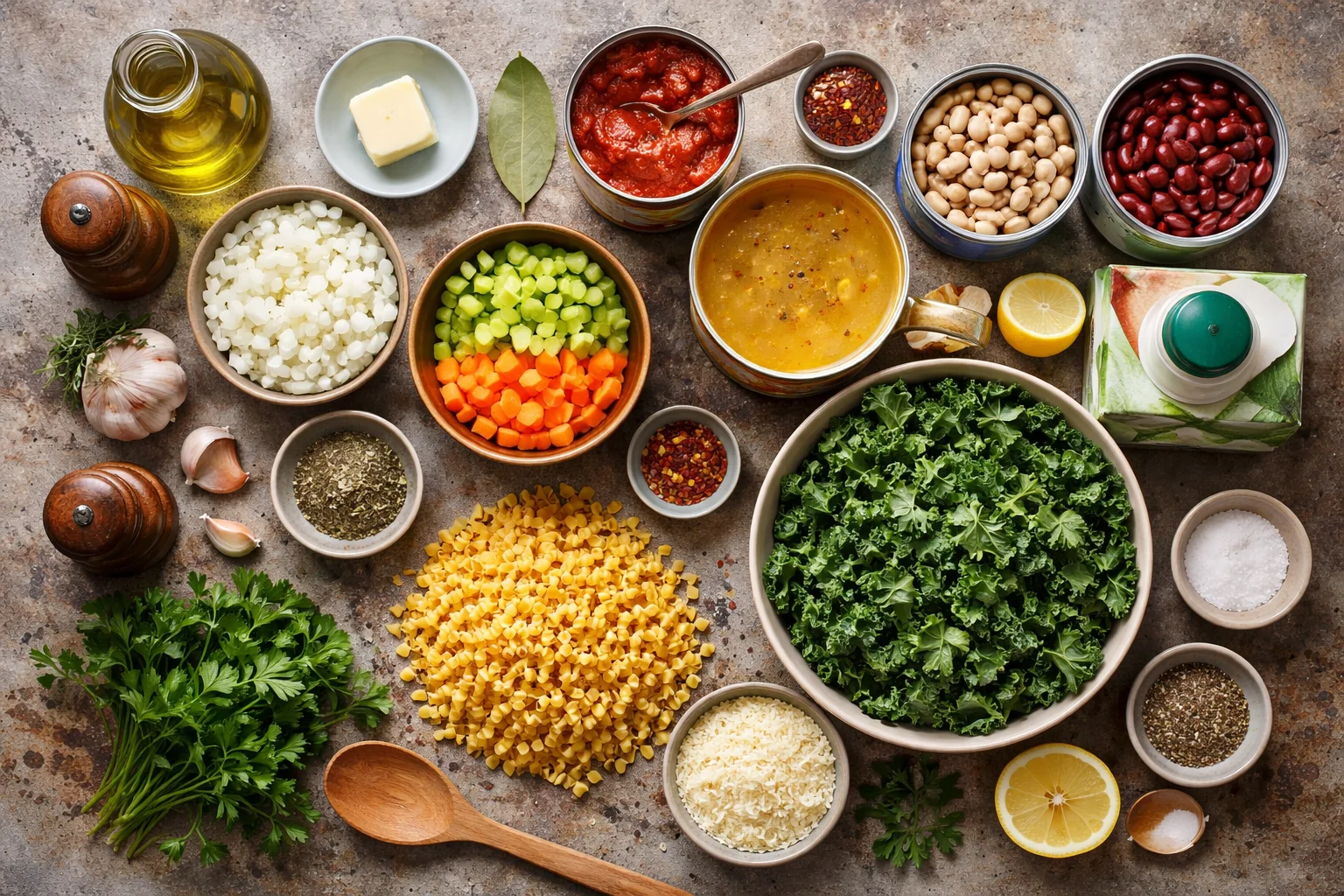
Substitution Suggestions
One of the best parts of minestrone is how forgiving it is. You do not need to run to the store if you are missing a vegetable. Here is how I swap things based on what is in my fridge or pantry.
- Vegetables: Use zucchini, yellow squash, green beans, or even sweet potato. If you have cabbage, slice it thin and add it early.
- Beans: Cannellini, great northern, or chickpeas work. Mix and match for texture.
- Pasta: Ditalini, small shells, elbow, or tiny stars. Use gluten-free pasta if you like, and add it toward the end to prevent breaking.
- Broth: Chicken or vegetable both work. Water is fine if you bump up the salt gradually and add extra aromatics.
- Tomatoes: Crushed, diced, or whole tomatoes you crush by hand. Tomato paste adds depth, so I try not to skip it.
- Greens: Kale, spinach, or Swiss chard. Stir in at the end so they stay bright.
- Protein: Brown some Italian sausage and add it after the vegetables soften. Leftover roast chicken is great too.
If you want to jump straight to the cooking plan, here is a quick shortcut to the recipe steps I use. And if you prefer vegetarian, stick with beans and vegetables and finish with a shower of Parmesan or a vegan alternative. Keep the seasoning simple but confident, and taste as you go.
How to Freeze Minestrone Soup
Freezing this soup is easy and budget friendly. The one rule I stick to is freezing without the pasta. Pasta keeps soaking up liquid, which can turn the soup too thick in the freezer and a little soft when reheated. I cook the pasta fresh when I reheat, then stir it in right before serving.
Here is my routine. Ladle the cooled soup into freezer-safe containers, leaving a little space at the top. Label with the date. Freeze up to three months. To reheat, thaw overnight in the fridge or set the container in a bowl of warm water to loosen the sides, then slide into a pot and warm gently. Add a splash of broth or water if it looks too thick; that is normal. Cook a handful of fresh pasta separately and stir it into each bowl so it stays bouncy and pleasant.
Planning ahead for a busy weeknight? Pin this spot and come back to the freezer and reheating tips when you need a refresher. I say it often because it is true for me each year: Warm and Cozy Minestrone Soup to Savor This Winter keeps me fed, happy, and calm when life gets full.
How to Make It
Ingredients at a glance
Here is what I reach for when I am craving a big pot:
- Olive oil, plus a tiny knob of butter for finish
- Onion, carrots, celery for the base
- Garlic, dried oregano, bay leaf, and red pepper flakes
- Tomato paste and a can of crushed or diced tomatoes
- Vegetable or chicken broth
- Two cans of beans, drained and rinsed
- Small pasta like ditalini or elbow
- Chopped kale or spinach
- Parmesan rind or grated Parmesan, optional but so good
- Fresh parsley and lemon juice to brighten
- Salt and black pepper
Step-by-step, simple and doable
Warm olive oil in a heavy pot over medium heat. Add onion, carrots, and celery with a pinch of salt. Cook until the vegetables are soft and glossy, about 8 to 10 minutes. Stir in garlic, oregano, and red pepper flakes. Cook one minute until fragrant.
Add tomato paste and cook it for another minute. This little step wakes up the tomato flavor. Pour in the tomatoes and broth. Drop in a Parmesan rind if you have one. Simmer 20 minutes so the flavors can settle and deepen.
Stir in the beans and bring the pot back to a gentle boil. Add pasta and cook until just shy of al dente. Stir occasionally so nothing sticks on the bottom. When the pasta is almost ready, add chopped kale or spinach. Cook another 2 to 3 minutes until tender.
Turn off the heat. Add a small knob of butter and a splash of olive oil for shine. Season with salt and pepper to taste. Finish with a squeeze of lemon and a handful of chopped parsley. If it looks too thick, add a bit more broth. If it looks thin, let it simmer a few extra minutes. That balance is the joy of cooking at home.
Serve hot with grated Parmesan and crusty bread. I like to drizzle a little extra olive oil on top. And yes, I say it every winter because it feels right on the spoon: Warm and Cozy Minestrone Soup to Savor This Winter.
Pro Tips
Tiny details that matter
Salt early and taste often. A small pinch of salt at each step builds flavor without making the soup salty. When you add the tomatoes, taste again. When the pasta goes in, taste again. This habit makes home cooking go from good to great.
Cut vegetables into small, even pieces. Small dice means faster, more even cooking and a better bite. Use a sharp knife so you do not crush the vegetables. If you want extra thickness, mash some beans right in the pot. It gives body without adding anything extra.
Cook pasta in the soup only if you plan to serve it right away. For leftovers, cook the pasta separately and store it in its own container. This keeps the texture bouncy, not soggy.
A splash of acid at the end brightens the whole pot. Lemon juice or a tiny splash of red wine vinegar works. Do not skip the fresh herbs. Parsley, basil, or thyme add freshness that wakes up the cozy richness.
Keep a Parmesan rind in the freezer. Toss it in while simmering, then fish it out before serving. Savory magic. And if you want a shortcut at dinnertime, make the base ahead, then add pasta and greens when you reheat.
Common Questions
Can I make this without pasta?
Absolutely. Add an extra can of beans or stir in cooked farro or rice. If using rice, cook it separately and add to each bowl to keep the texture right.
What if my soup gets too thick?
Add warm broth or water, a little at a time, until it looks right to you. Taste for salt after thinning so the flavor stays balanced.
How long does it keep in the fridge?
About 4 days. Reheat gently on the stove, adding a splash of water or broth if needed. It actually tastes better on day two as the flavors settle.
Can I use fresh tomatoes?
Yes. Use peeled and chopped fresh tomatoes, and add a spoon of tomato paste for deeper flavor. You might need a touch more salt and a longer simmer.
What should I serve with it?
Crusty bread, a simple green salad, and a little grated Parmesan on top. If you want to find the steps quickly next time, save this link to the freezing tips for easy planning.
A Bowl You Will Make Again
I hope this pot becomes your winter go-to the way it is for me. It is hearty enough for dinner, flexible enough for your fridge odds and ends, and simple enough for a busy weeknight. If you want more ideas or comparisons, I love reading through resources like this rich and approachable Minestrone Soup Recipe (Thick & Hearty) – Sally’s Baking and this comforting twist with meatballs in Minestrone Soup with Meatballs | The Cozy Apron. Now grab your pot, give yourself an hour, and make a batch. Warm and Cozy Minestrone Soup to Savor This Winter is waiting for you on the stove.