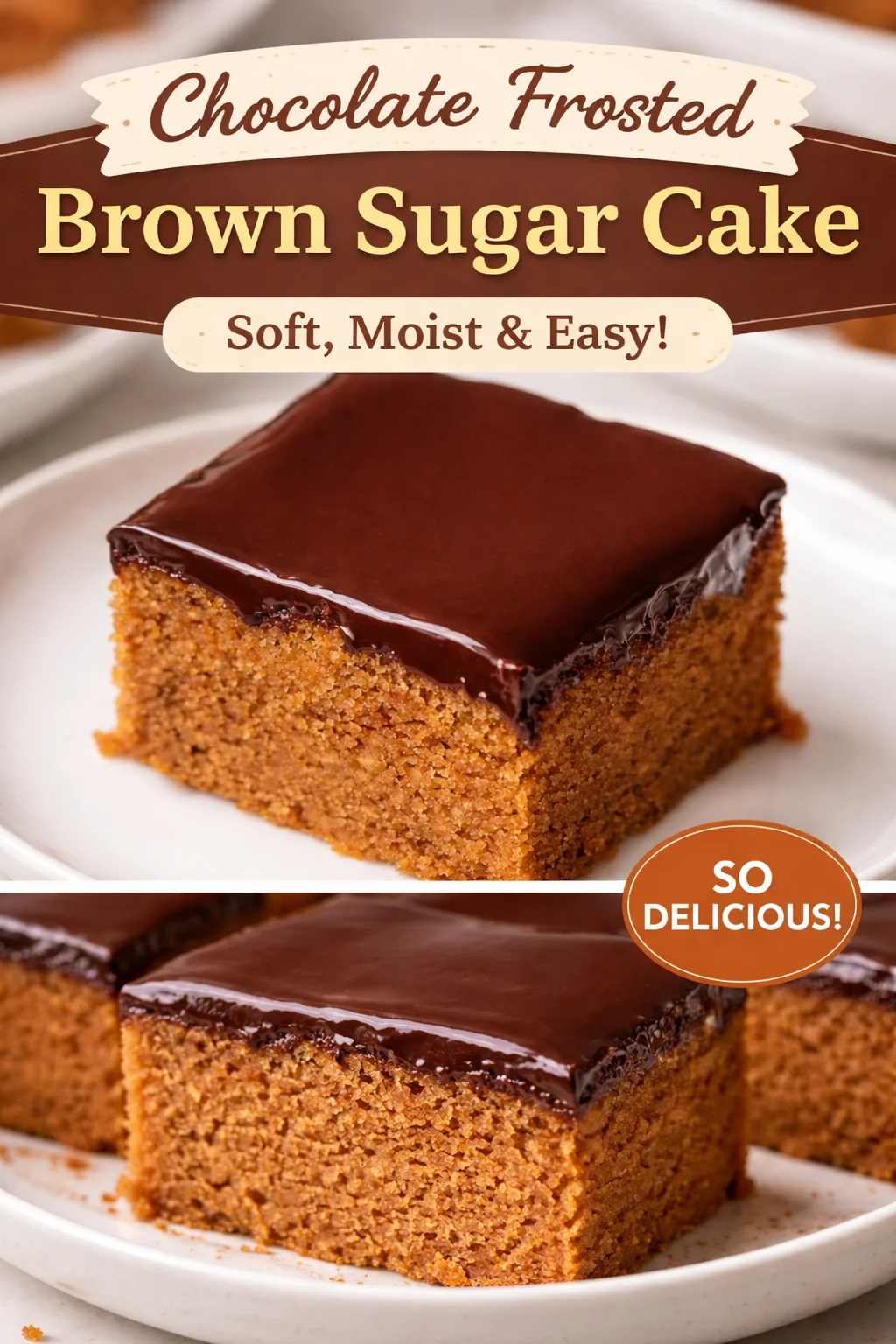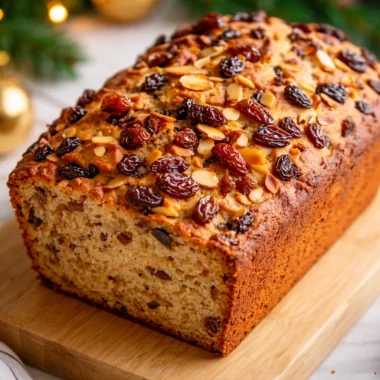
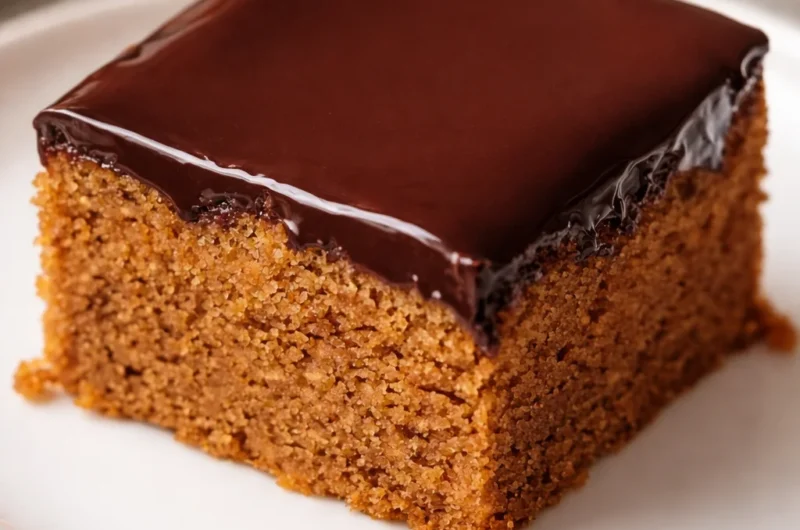
Traditional German Honey Cake (Honigkuchen) is one of those cozy bakes that saves the day when you want something sweet but not fussy. Maybe you have guests coming, or you promised to bring “something homemade” and now it is suddenly tonight. I have been there, and this cake is my reliable backup plan because it’s simple, forgiving, and it makes your kitchen smell like a holiday market. The honey keeps it soft for days, so you are not racing the clock to finish it. If you like old fashioned cakes with warm spice and a little nostalgia, you are going to love this. 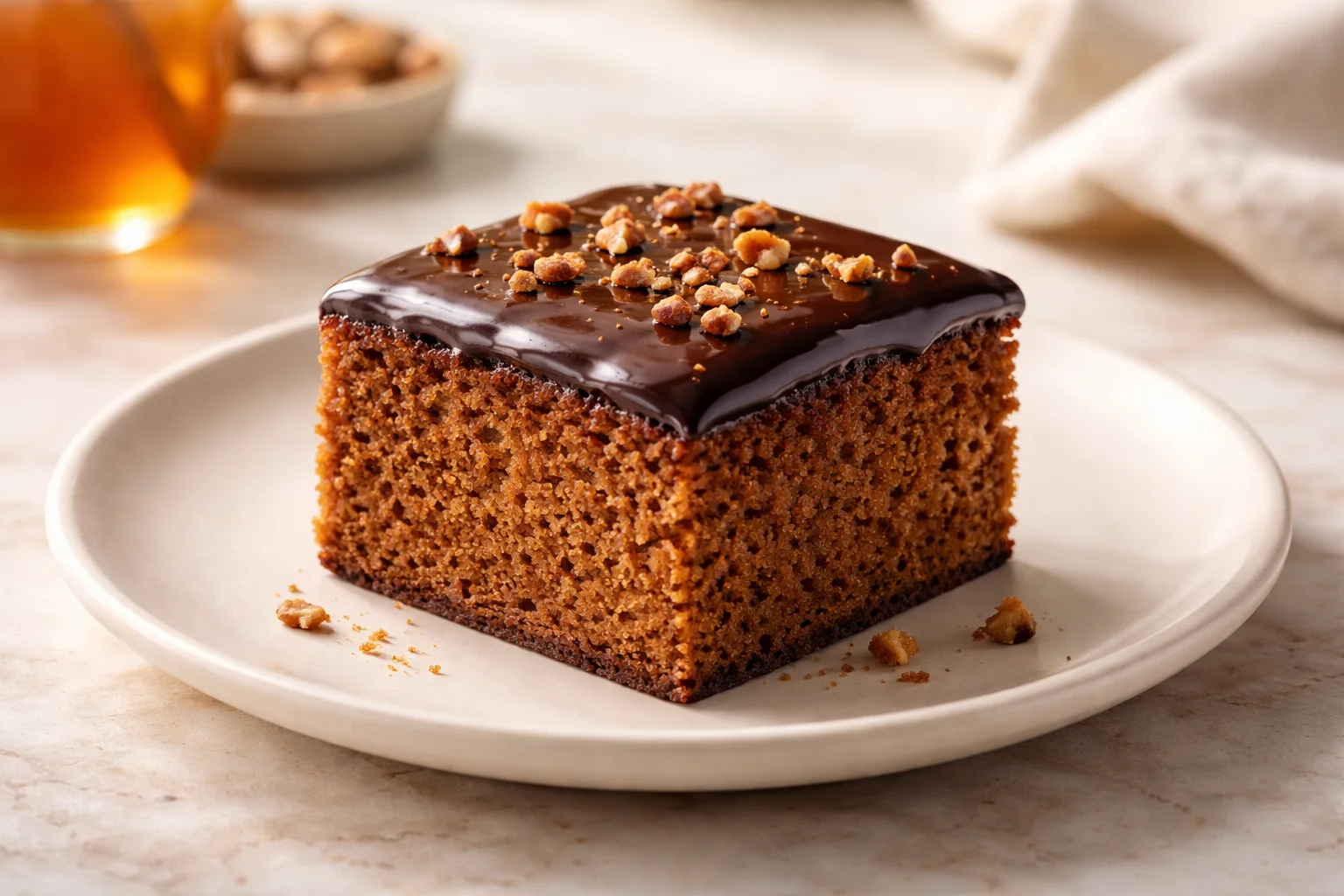
Ingredients for German Honey Cake
This is a pantry friendly kind of recipe, which is honestly part of the charm. You do not need any fancy tools or rare ingredients. If you bake even a little, you probably have most of this already. The biggest “star” is the honey, so use one you actually like the taste of.
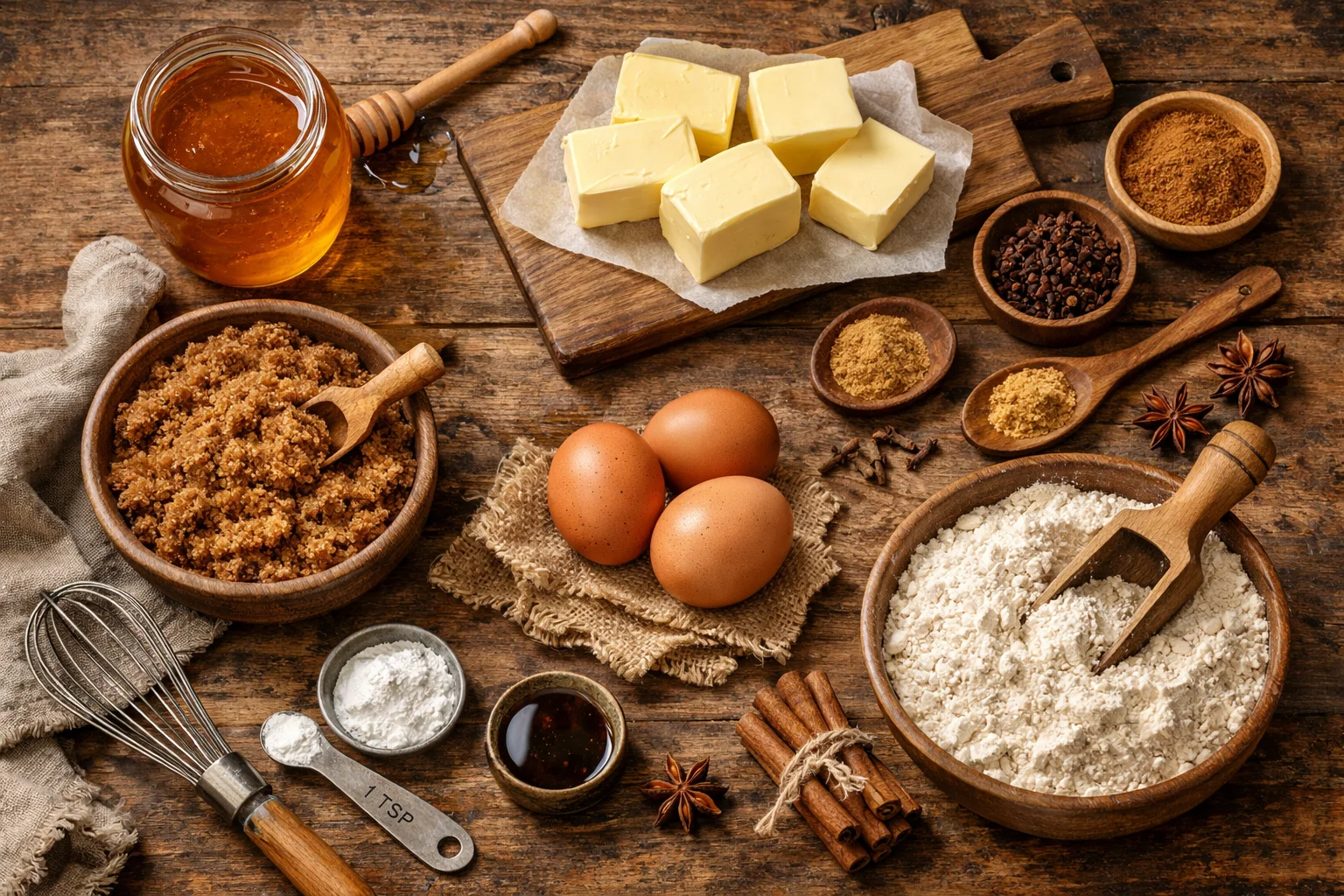
Here is what I use for my Traditional German Honey Cake (Honigkuchen), sheet pan style:
- Honey (mild or floral, your choice)
- Butter
- Brown sugar (or a mix of brown and white sugar)
- Eggs
- All purpose flour
- Baking powder
- Baking soda (just a bit, it helps with lift)
- Warm spices: cinnamon plus a pinch of cloves or allspice
- Salt (tiny amount, big difference)
- Milk (or buttermilk if you have it)
- Optional add ins: chopped nuts, raisins, or orange zest
If you are in a German recipe mood, I keep a little list of comfort food favorites bookmarked, and this page is a fun rabbit hole: German recipes.
One more note about honey: darker honey gives a deeper, more caramel like flavor. Lighter honey makes the cake taste softer and more delicate. Both work, so do not overthink it.
Preparation Steps for the Sheet Pan Version
The sheet pan version is my favorite because it bakes evenly and slices like a dream. Also, if you are bringing dessert somewhere, it travels well and does not feel precious. This is not a towering layer cake moment. This is a “cut a square and grab a mug of tea” moment.
Quick overview of the method
1) Preheat your oven to 350 F. Grease a sheet pan or a 9×13 pan, then line with parchment if you want easy lifting. I usually do parchment because I am lazy about cleanup.
2) Warm the honey and butter together. I do it in a saucepan over low heat until the butter melts. You do not want it boiling, just smooth and pourable. Let it cool for a few minutes so it does not scramble your eggs.
3) Whisk your dry ingredients in one bowl: flour, baking powder, baking soda, salt, and spices.
4) In a larger bowl, whisk eggs and sugar, then slowly pour in the warm honey butter mixture while whisking. It will look glossy and smell amazing.
5) Add the dry ingredients and milk in a few additions, alternating. Stir gently until you do not see dry flour. Do not beat it like you are mad at it, or the texture can get tough.
6) Pour into the pan and smooth the top. Bake until the center springs back when lightly pressed. In my oven it is usually around 20 to 28 minutes, depending on pan size and how thick the batter is.
7) Cool completely before glazing or dusting with powdered sugar. If you slice too early, it can crumble, and you will be sad.
Sometimes I serve this alongside a fun breakfast style treat when people stay over. If you want a sweet morning option that feels special without much effort, these are worth it: chocolate pancakes with caramel drizzle.
And since people always ask, yes, you can glaze it. My simple glaze is powdered sugar plus a little milk or lemon juice. If I want it glossy, I brush a thin layer of warm honey on top right after baking, then let it soak in.
“I made this for my family coffee hour and everyone kept sneaking back for tiny extra pieces. The honey flavor gets even better the next day.”
Tips for Storing and Serving Honey Cake
This is where Traditional German Honey Cake (Honigkuchen) really shows off. Because of the honey, it stays moist and tender longer than a lot of basic cakes. That means you can bake it a day ahead and feel like a genius.
How to store it so it stays soft
Room temperature: Keep it in an airtight container for about 3 to 4 days. I like placing a piece of parchment between layers if I stack slices.
Fridge: You can refrigerate it, but it can firm up. If you do, let slices sit out for 20 minutes before eating.
Freezer: Wrap individual pieces and freeze up to 2 months. Thaw at room temp, still wrapped, so it does not dry out.
Serving ideas are simple. I like it plain, but you can dress it up in a low key way:
- Dust with powdered sugar and serve with coffee
- Add a little whipped cream and berries
- Warm a slice and top with yogurt for a snack that feels like breakfast dessert
If you are doing a cookie tray situation for a party, I also love adding something super easy like cake mix cookies so you have variety without doubling your workload.
Variations and Flavoring Options
I make Traditional German Honey Cake (Honigkuchen) the classic way most of the time, but it is also a great base for little twists. You can keep it traditional or nudge it toward your personal taste.
Easy ways to change the flavor without messing it up
Citrus: Orange zest is my favorite add in. It makes the honey taste brighter. Lemon zest works too, but orange feels extra cozy.
Nuts: Chopped almonds or hazelnuts add crunch. Sprinkle some on top before baking, or fold them in.
Dried fruit: Raisins are classic, but chopped dates are also really good if you want a deeper sweetness.
Chocolate: Not traditional, but chocolate chips turn it into a snack cake that disappears fast. If you do this, use a small handful so the honey flavor still shines.
Spice level: If you like it bold, add a tiny pinch of ground ginger. Just a pinch, because ginger can take over.
If you want to lean into the honey theme in other ways, you might like making your own sweet and spicy hot honey for drizzling on cheese boards or even fried chicken. Not cake related, but it is a fun kitchen project and totally addictive.
Nutritional Information and Serving Suggestions
I am not a “count every crumb” person, but I know it helps to have a general idea of what you are eating or serving. Honey cake is a treat. It has sugar, butter, and flour, but it is also pretty satisfying, so one square usually does the job.
;
Here is the common sense version:
Portion: I cut a 9×13 pan into 12 to 16 pieces. If it is for a party, smaller pieces go further.
What affects nutrition: The type and amount of honey, sugar, and any add ins like nuts or chocolate.
Balance tip: Serve it with fruit, tea, or coffee and call it a day. No need to overcomplicate it.
My favorite way to serve it is slightly warm with a little plain yogurt. It is comforting, not too sweet, and it makes an afternoon slump feel less annoying.
Common Questions
Can I make Traditional German Honey Cake (Honigkuchen) ahead of time?
Yes, and it is actually better the next day. The flavor settles and the crumb stays soft.
What pan should I use if I do not have a sheet pan?
A 9×13 pan works perfectly. Just keep an eye on bake time since it may be a bit thicker.
Why did my cake turn out dry?
Most likely it baked too long, or your oven runs hot. Pull it when the center springs back and a toothpick comes out with a few moist crumbs.
Can I swap honey for maple syrup?
I would not for this one. Honey is the flavor and the texture helper here, and maple syrup changes both.
Do I need a glaze?
Nope. A light honey brush, powdered sugar, or nothing at all is totally fine.
A cozy bake you will want to repeat
If you bake this once, you will see why Traditional German Honey Cake (Honigkuchen) has stuck around for generations. It is easy, it keeps well, and it feels special without demanding a ton of effort. If you want to compare methods or see other takes, I enjoyed reading Honey Cake (Honigkuchen) – The Delicious Crescent and also this super practical guide for the tray bake style: Sheet Pan German Honey Cake- Honigkuchen vom Blech. Now grab your honey, pick your favorite mug, and bake it this week. I really think you will be proud of how it turns out.